
Do you often have chest pains, shortness of breath, or headaches? Are you at high risk of heart disease? Use the following tips to improve blood circulation and reduce your risk of heart disease.
Increase Activity
Take regular walks. Walking after meals can improve blood circulation and promote gastrointestinal motility, so it is recommended that you walk for at least 30 minutes every day.
- If you have peripheral vascular disease, such as varicose veins, be sure to wear supportive underwear, such as varicose vein socks, stockings, or use elastic bandages. Your doctor will help you choose what’s best for you.
Exercise as much as possible. All physical exercise improves blood circulation. You can try the following two exercises:
- Cardiovascular training: swimming, cycling, running, ball games, etc. Aerobic exercise improves cardiovascular function.
- Strength training: weightlifting, etc. Strength training can help you build muscle, thereby increasing circulation to your cardiovascular and lymphatic systems.
- Get up and move around for 3 to 5 minutes every hour. This trick is especially suitable for people who sit for long periods and rarely have the opportunity to exercise. Try stretching your arms forward, bending down to touch your toes, or doing slow jumping jacks (just enough to make your heart beat faster), etc.
Massage. Massage, like exercise, can improve blood flow through soft tissues, thereby improving local circulation. Many studies have shown that massage can effectively promote the body’s self-healing.
- Raise your feet. Elevating your legs can not only relax your body but also promote blood circulation. High blood pressure or standing for long periods can cause varicose veins. Elevating your legs can reduce the risk of varicose veins.
Adjust the temperature of the bath water. Shower alternately with cold and hot water. This is called hot and cold stimulation, and it causes blood vessels to expand and contract, thereby improving blood circulation. Hot water forces blood vessels to dilate and promotes blood flow. Cold water can constrict blood vessels.
- Regular bathing with hot and cold stimulation can make the circulatory system more flexible and improve blood circulation.
Change Living Habits
Maintain a healthy diet and avoid foods that are harmful to your health. Eat more fruits, vegetables, whole grains, lean proteins, and good fats like fish oil, olive oil, and the fats found in nuts and seeds. Eliminate highly processed foods, foods that are high in sugar, salt, or harmful fats (saturated and trans fats).
Develop correct drinking habits. Stay hydrated during the day to reduce the burden on your body’s organs to produce energy and function properly. You don’t need to drink water every day, but you should replenish water when you are thirsty. Cold water can cause water pipes to shrink, so it is recommended to drink warm water.
- Avoid caffeine. If there’s no way to completely quit coffee, then at least reduce your intake. For example, if you originally drink two cups of coffee every morning, you can now drink one cup instead. If you like to buy coffee at a coffee shop, try switching to decaffeinated coffee, or switching to a smaller cup.
- Drink less or no alcoholic or sugary drinks. Soda and other drinks that are high in sugar not only fail to improve blood circulation, they are also harmful to the body. If you like to drink a lot, drinking a glass of wine can improve blood circulation, but if you drink too much, it will put a burden on your body.
Take a hot bath or use other methods to warm your body. Prepare warm bath water (add Epsom salt, a healing mineral salt if necessary), and soak for 20 to 30 minutes. Fill a water bottle with hot water. To prevent burns, wrap a layer of insulation around the water bottle. Then place a water bottle on your hands and feet to increase blood flow.
Quit smoking as soon as possible. Smoking is not only harmful to health, but also affects blood circulation. Nicotine is one of the main culprits in hindering blood circulation.
Release stress in healthy ways. Long-term stress can affect the body’s blood circulation. Relieve stress in simple, healthy ways, such as exercising regularly, meditating, getting spiritual therapy, and more.
Situations Requiring Medical Attention
Detect danger promptly. Learn to recognize the signs of circulatory disorders. Signs of poor circulation include:
- Varicose veins
- Numbness in hands and feet
- Cold hands and feet
- Purple skin
- Wounds heal slowly
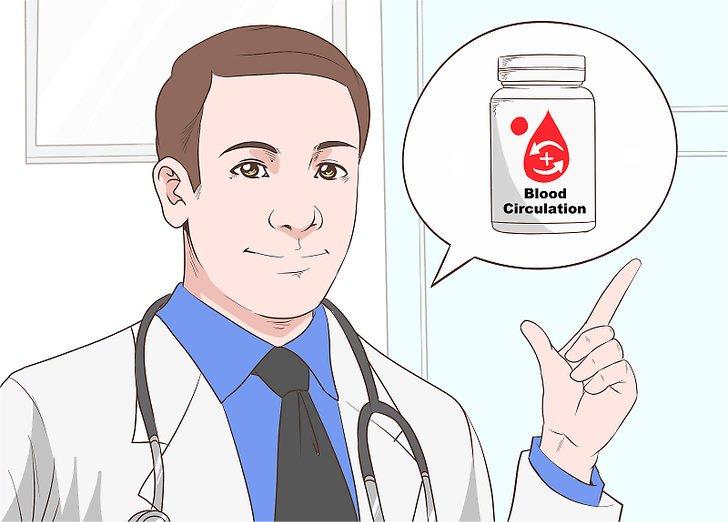
Talk to your doctor about supplements that may improve circulation. Doctors can prescribe or recommend relevant health care drugs. Taken at the dosage recommended by your doctor, they can improve your circulation.
- Studies have shown that taking over-the-counter medications containing green tea, astragalus, goji berry extract, Lactobacillus fermentum, ellagic acid antioxidants and certain vitamins can increase the total number of hematopoietic stem cells.